Troffer lights are becoming a popular choice in both commercial and residential spaces. You’ll see them in offices, hospitals, schools, and even in some modern homes. They’re known for their clean, flat design that fits right into drop ceilings, giving off bright, even lighting across a wide area.
Unlike standard ceiling fixtures that light up a small spot, troffer lights are built to spread light evenly throughout a room. That makes them perfect for large areas where consistent lighting is important. They’re also more energy-efficient, especially the LED versions, which last longer and reduce power bills.
What sets troffer lights apart from traditional lighting is their installation and performance. Instead of hanging down or sticking out, troffers sit flush with the ceiling, offering a sleek look and better coverage. That’s one reason they’ve become such a common upgrade in places that need both function and style.
What Is a Troffer Light?
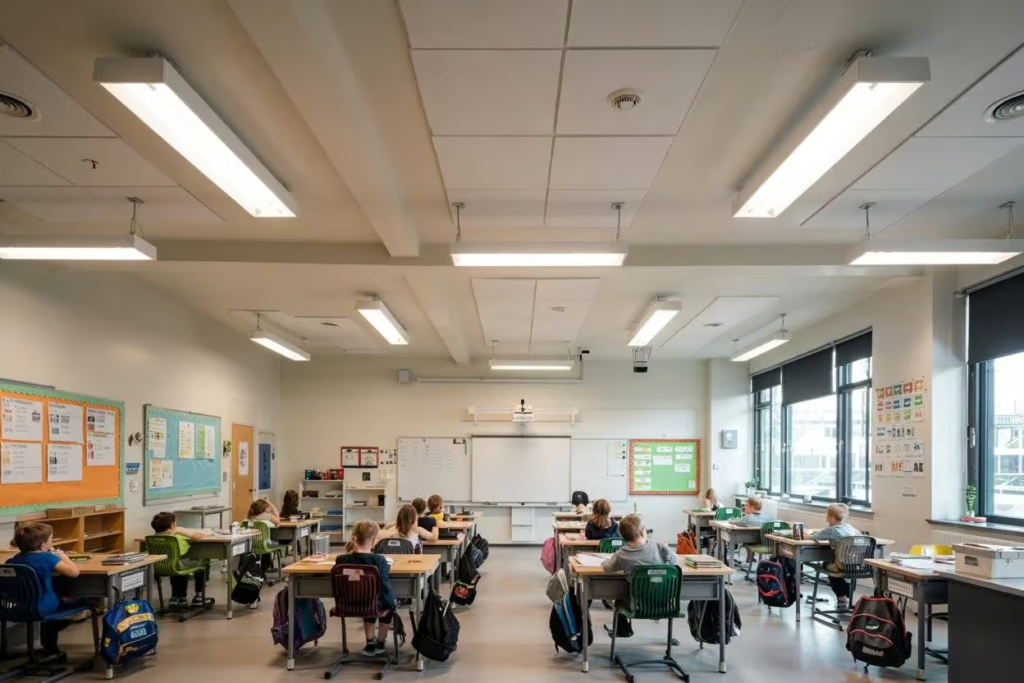
A troffer light is designed to fit into a dropped or grid ceiling. You’ve probably seen them in offices, schools, or hospitals—long, flat panels that sit flush with the ceiling tiles. Troffers usually come in square or rectangular shapes, like 2×2 or 2×4 feet, and they’re recessed, meaning they sit inside the ceiling instead of hanging down from it.
So why do they matter in modern lighting design?
For starters, they’re super efficient at evenly lighting large areas. No more weird shadows or overly bright spots. Troffer lights spread soft, balanced light across the room, making them ideal for spaces where people need to see clearly and work comfortably.
Now, compare that to surface-mounted fixtures—the kind you screw directly into the ceiling. Those tend to stick out and cast a smaller pool of light. On the other hand, Troffers blend in with the ceiling and light up a much wider area without distraction. They look cleaner, perform better, and are usually more energy-efficient, especially when fitted with LED technology.
Types of Troffer Lights
Troffer lights come in two main types: fluorescent and LED. While fluorescent troffers were the standard for years, LED troffer lights have taken over—and for good reason.
1. Fluorescent Troffer Lights
These were once the go-to choice for schools, offices, and hospitals. They use fluorescent tubes—usually T8 or T12—that fit into a recessed frame in the ceiling. They’re known for providing bright, even light across wide spaces.
| Pros | Cons |
| Lower upfront cost | Shorter lifespan than LED |
| Readily available in older setups | Prone to flickering and buzzing |
| Bright enough for wide spaces | Higher energy consumption |
| Familiar installation process | Frequent maintenance (tube/ballast changes) |
2. LED Troffer Lights
Enter the modern upgrade: the LED troffer light. These use light-emitting diodes instead of tubes, which makes them more energy-efficient, longer-lasting, and easier on your electric bill. You’ll find them in new builds, office renovations, and even smart homes.
Why people love LED troffer lights:
- Up to 60% more energy-efficient than fluorescent
- Can last 50,000 hours or more
- No buzzing, flickering, or warm-up time
- Lower maintenance—no bulbs to swap out constantly
- Sleeker design and better color rendering
Are you already using fluorescent troffers? No worries. Retrofitting options are available. You can easily swap out old fixtures or upgrade the inside with LED retrofit kits, saving money without overhauling the whole ceiling setup.
Common Troffer Light Sizes and Shapes
Troffer lights aren’t one-size-fits-all. They come in a few standard sizes, each serving a different purpose depending on the space.